
Back to Basics: China Mandates Physical Buttons for Critical Car Functions



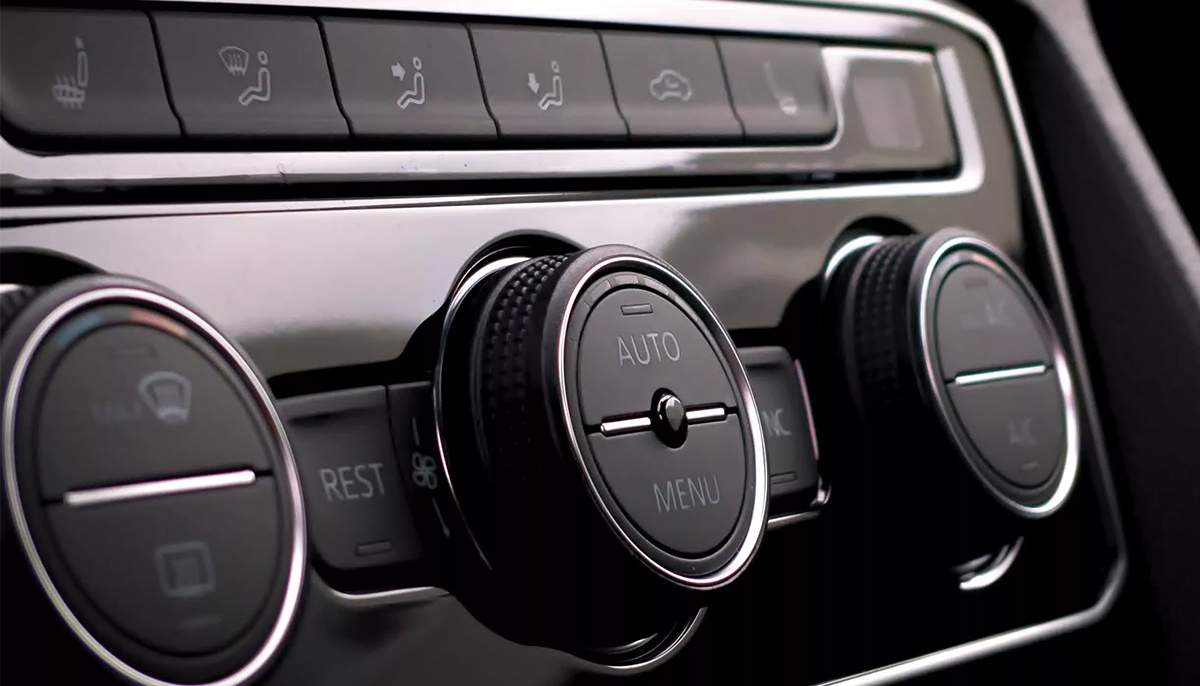
China’s Ministry of Industry and Information Technology (MIIT) is set to require automakers to equip new vehicles with physical controls for critical safety functions, marking a shift away from touchscreen-dominated dashboards.
Under the proposed update to national standards, drivers will need tactile access to essential systems including turn signals, hazard lights, gear selection, windshield wipers, defoggers, emergency call functions, and advanced driver-assistance switches.

The aim is to reduce driver distraction, ensure operation by touch alone, and maintain functionality even in power failures or emergencies. The regulation is expected to apply to vehicles manufactured from July 2026.
The move reflects growing concerns that screen-only interfaces, while sleek and modern, can compromise safety by requiring drivers to divert attention from the road.

While digital displays will remain central for infotainment and secondary functions, regulators emphasize that tactile controls are essential for tasks with immediate safety implications. The update also aligns with broader measures, including restrictions on hidden door handles and unconventional steering designs, aimed at improving vehicle usability in emergencies.
Industry analysts note that the shift will necessitate design changes for automakers, particularly those that have embraced minimalistic interiors or screen-based gear selectors.
Domestic brands such as BYD, Geely, and Great Wall Motor are expected to adapt quickly, while international manufacturers exporting to China, including Tesla, may also need to adjust vehicle layouts.
The initiative underscores a growing global trend to balance technological innovation with practical safety, signaling that in automotive design, human factors are regaining priority alongside digital sophistication.



Hyundai Bayon Launched in India; Nepal Launch Expected in Q1 2027


Second-Gen BYD Atto 1 Pre-Orders Open in China